Credit: Getty
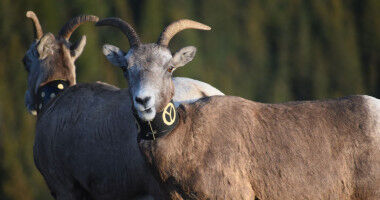
Credit: Getty - The unique way that ground squirrels burn almost no energy when they hibernate - with no loss of muscle mass - has implications for space travel, an UdeM biologist finds. When bears and ground squirrels hibernate in winter, they stop eating, lasting until spring simply on the fat reserves they've stored up in their bodies. Usually, this sort of prolonged fasting and inactivity would significantly reduce the mass and function of muscle, but hibernators don't suffer this fate. How they avoid it, however, has been a mystery. Now, in research published in Science, an Université de Montréal biologist has figured out why, and his findings could have implications for, of all things, the future of space travel. By studying a variety called the 13-lined ground squirrel that is common in North America, Matthew Regan has confirmed a theory known as "urea nitrogen salvage" dating back to the 1980s. The theory posits that hibernators harness a metabolic trick of their gut microbes to recycle the nitrogen present in urea, a waste compound that is usually excreted as urine, and use it to build new tissue proteins.
TO READ THIS ARTICLE, CREATE YOUR ACCOUNT
And extend your reading, free of charge and with no commitment.